First responders face unique challenges when it comes to hearing because their work often exposes them to loud and sudden noises. Understanding the basics of hearing protection is important for staying safe and maintaining long-term hearing health.

Regular checkups with an audiologist can help identify changes early and provide guidance on how to protect your ears in the field. Knowing the importance of hearing protection allows first responders to continue performing their duties effectively while taking care of their hearing.

How Repeated Noise Exposure Can Impact Hearing

Repeated exposure to loud noise can slowly reduce how well you hear, even if you do not notice it right away. Each time your ears are exposed to strong sounds, tiny hair cells inside your inner ear can become damaged. These cells send sound signals to your brain, but once they are harmed, they do not recover.

Even short bursts of loud noise, like a siren or power tool, can add up over time and lead to permanent hearing loss. Using hearing protection regularly is one of the most effective ways to lower your risk and keep your hearing sharp.

Common Loud Noise Hazards in First Responder Work

First responders are regularly exposed to loud noise as part of their daily work, and certain situations can pose a higher risk to hearing.

Sirens, alarms and emergency vehicle engines are constant sources of high-volume sound. Additionally, equipment used in rescue operations, firefighting or law enforcement can produce sudden bursts of noise that are difficult to avoid. Being aware of these common hazards is an important first step in protecting hearing while on duty.

Noticing Early Warning Signs of Hearing Changes at Work

Paying attention to early signs of hearing changes at work can help you act before problems become more serious. Many first responders first notice small changes during routine tasks.

Some early signs include:

  • Asking coworkers to repeat themselves, especially in noisy settings.
  • Finding it harder to understand speech when several people are talking.
  • Turning up the volume on radios or communication devices more than usual.

If you notice any of these signs, talk with an audiologist. Early support and proper protection can help you keep your hearing clear while you do your job.

How Training Supports Effective Hearing Protection

Training is essential for making sure first responders know how and when to use hearing protection. Many departments include information about noise hazards and safe practices during regular safety meetings or training sessions. These programs often cover how to properly fit earplugs or earmuffs and when each type should be used.

Learning about the risks of loud noise and practicing safe habits keeps everyone prepared. Regular reminders during drills or briefings help make hearing protection a routine part of the job.

Hearing Protection Options Designed for First Responders

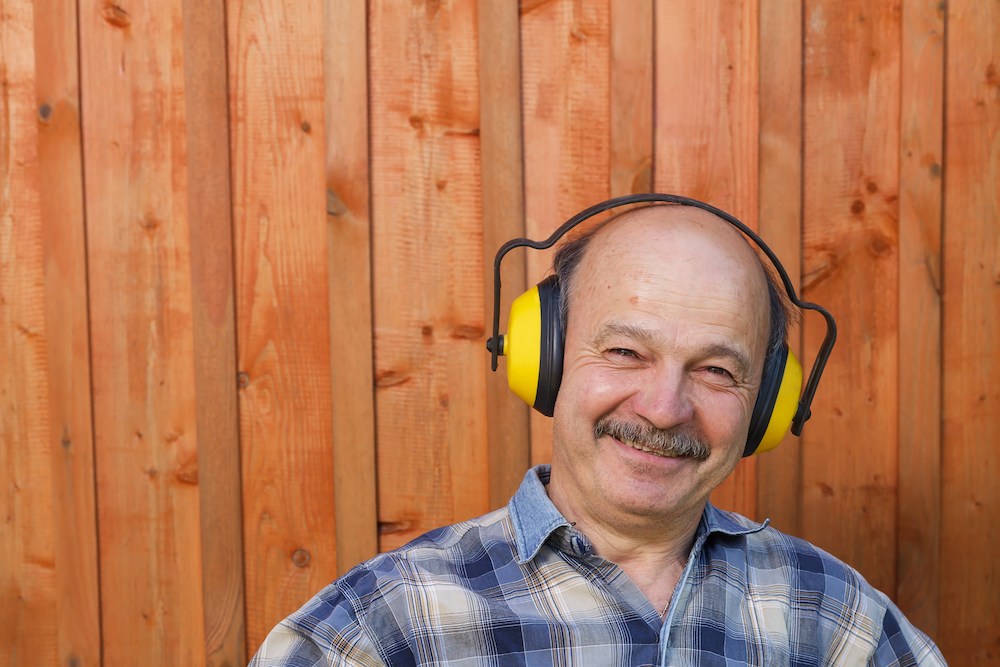
Several types of hearing protection are made specifically for first responders. Some earplugs and earmuffs block harmful noise but still let you hear important sounds like alarms or voices.

Electronic hearing protection filters out sudden loud noises but allow normal speech and warning signals to come through clearly. Custom-molded earplugs offer a comfortable fit for long shifts and busy environments. Choosing the right protection helps you stay safe without missing critical information during emergencies.

Picking the Best Hearing Protection for Each Situation

Selecting the best hearing protection depends on the type of noise you face and how long you are exposed to it. Some situations call for simple foam earplugs, while others may need electronic earmuffs that let you hear voices but block out dangerous sounds.

Think about your daily tasks and which noises are most common in your work environment. For quick bursts of loud noise, earmuffs with a high noise reduction rating may be helpful.

When clear communication is needed during emergencies, special earplugs or electronic protectors can keep your hearing safe without blocking important sounds.

Adapting Hearing Protection for Different Environments

First responders work in many different places, from busy city streets to quiet rural areas. The types of noise hazards can change depending on your location and tasks. For example, firefighters may need extra protection during building rescues, while police officers might need special earplugs at shooting ranges.

Matching your hearing protection to the environment and specific duties is important. Some devices are designed for quick use during sudden emergencies, while others are better for long periods in noisy areas. An audiologist can help you find the best options for each situation based on your needs.

Caring for and Maintaining Your Hearing Protection

Taking care of your hearing protection helps them last longer and work better. Clean devices are also more comfortable, especially during long shifts.

Many first responders find it difficult to keep earplugs or earmuffs clean in busy or dirty environments. Dirt, sweat and debris can build up quickly, making the devices less effective and sometimes uncomfortable. Wipe down earmuffs with a damp cloth after each use and wash reusable earplugs with mild soap and water.

Check your hearing protection for damage or wear. Cracks in earmuff cushions or misshapen earplugs can reduce their ability to block noise. Replace damaged parts right away to keep your hearing protected every time you use them.

Protecting Your Hearing Keeps You Ready for Every Call

Sharp hearing is essential for first responders who need to stay safe and respond quickly in emergencies. Taking steps now to protect your ears helps you avoid problems later and keeps you at your best while serving others.

If you have noticed changes in your hearing or want advice on choosing the right protection, an audiologist is here to answer your questions and help you find options that fit your needs.

Regular check-ups with an audiologist can help catch early signs of trouble and ensure your equipment is working as it should. If you need help selecting or fitting devices, reach out for support. Protecting your hearing today helps you remain alert, effective and prepared for every call ahead.